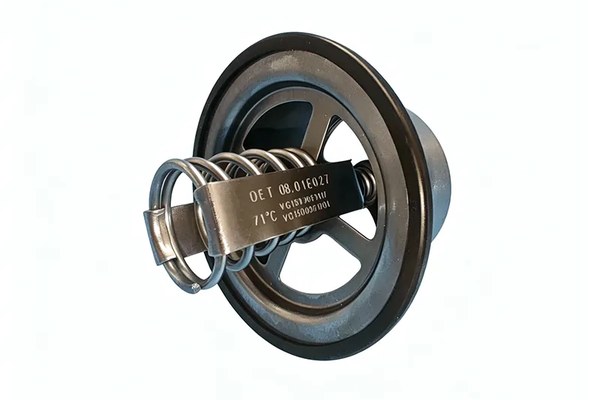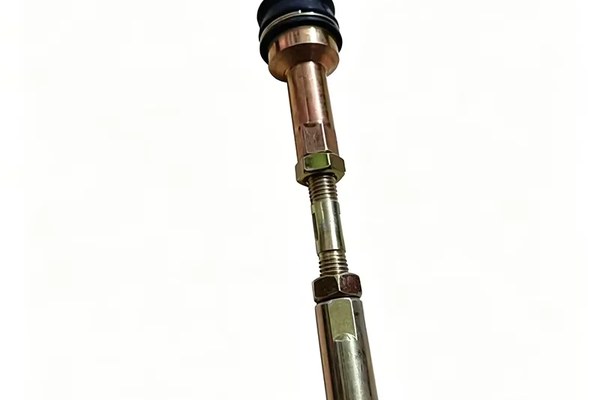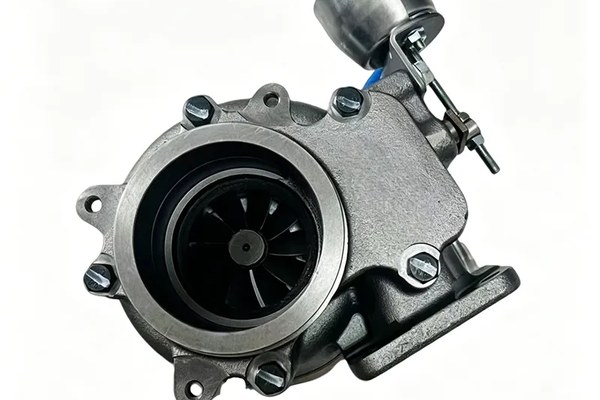
Fleet maintenance managers often contact us with the same frustration: the truck is building pressure slowly, the air dryer keeps spitting, or the brakes feel soft — and someone has already decided the compressor is bad. Sometimes that diagnosis is correct. Often it is not, and an expensive replacement part arrives only to leave the original fault unsolved.
A bad air brake compressor rarely announces itself through one clean symptom. The honest answer is that slow pressure build-up, oil in the air lines, abnormal cycling noise, or pressure drop under idle can each point to the compressor — or to a cheaper adjacent component that is easier and faster to replace. Reading symptom combinations, not single signals, is what separates a correct diagnosis from a costly misorder.
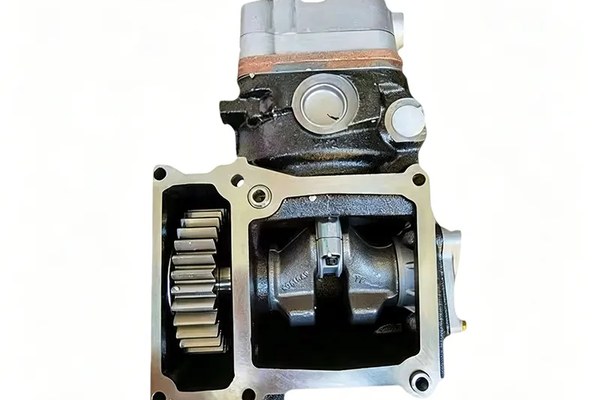
The sections below work through each major symptom pattern, name the look-alike failures that are often the real cause, and explain what to check before committing to a compressor replacement order. A symptom reference table is included to make the decision logic easier to follow at a glance.
Why misdiagnosis is so common — and so costly
A pattern we see repeatedly in order enquiries is this: a buyer requests a replacement compressor, we ask a few questions about the symptoms, and it becomes clear the governor valve, air dryer, or a loose airline fitting is the more likely culprit. Those components cost a fraction of a compressor assembly and can often be sourced and fitted within a day.
The compressor is a high-ticket item. It is also a heavy assembly requiring proper torque specifications and engine-side compatibility checks. Replacing it unnecessarily means wasted shipping cost, unnecessary downtime, and — if the original fault is still present — a repeat failure on the new unit.
This is the most important practical point in this article: before ordering a compressor, eliminate the cheaper adjacent components first. That discipline protects both your budget and your diagnostic credibility.
The pressure build-up time test — the most accessible field check
When maintenance teams describe a "weak compressor," the first thing we ask is whether they have timed the pressure build-up cycle. Starting from a drained system, a healthy air brake system should reach operating pressure within a time range that varies depending on engine RPM, tank capacity, and OEM specification — there is no single universal benchmark, so the OEM spec sheet or workshop manual for the specific chassis is the correct reference.[1]
What matters diagnostically is deviation from normal. If a truck that previously built pressure quickly is now taking noticeably longer, that shift is a reliable early signal worth investigating.
How to interpret the build-up time result
- Build-up is slow and the unloader valve cycles constantly: Check the governor valve and air dryer first. A stuck-open unloader or a saturated dryer desiccant can mimic a weak compressor.
- Build-up is slow and the system holds pressure once reached: The compressor may have reduced output from worn rings or a reed valve issue — but confirm that all tank drain valves are fully closed before drawing conclusions.
- Build-up is slow and oil is visible at the dryer outlet: This combination is a stronger indicator of internal compressor wear. See the oil contamination section below.
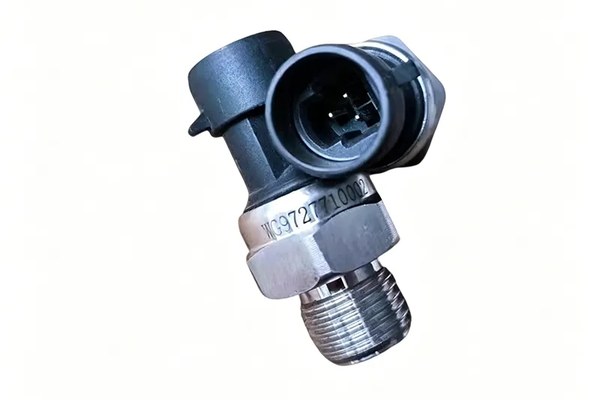
If the build-up time is within spec but the driver reports soft brakes or pressure warning lights, the fault is more likely in the WG9727710002 air pressure sensor or in a downstream leak rather than the compressor itself.
Oil contamination in the air lines — a late-stage warning
Of all the symptoms customers describe, oil in the air lines or wet tank carries the highest urgency. When piston rings inside the compressor wear past their service limits, engine oil passes into the air circuit. This is not an early-stage symptom — by the time oil is visible at the dryer or downstream fittings, internal wear is typically beyond adjustment.
Two important points about this symptom:
- Oil contamination affects downstream components. The air dryer desiccant, the four-circuit protection valve, and any rubber seals in the circuit are all at risk once oil enters the system. Replacing only the compressor without inspecting downstream components often leads to a secondary failure shortly after.
- A small amount of moisture at the drain is normal. Oil is not. Maintenance teams sometimes confuse normal condensate discharge with oil contamination. Oil will leave a visible residue and a distinctive smell; condensate is clear or lightly discoloured water.
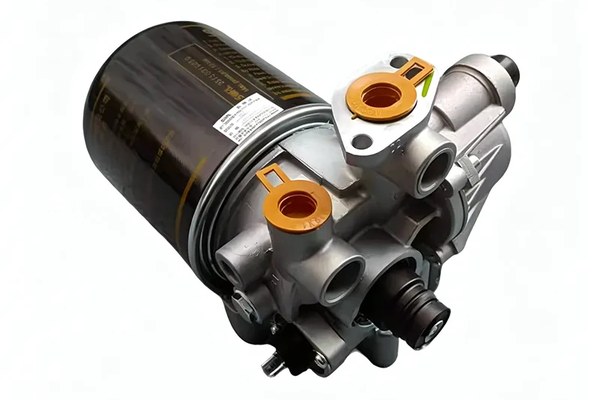
If oil contamination is confirmed, the 35110070840 air dryer with four-circuit protection valve should be inspected and likely replaced alongside the compressor assembly. Reusing a contaminated dryer on a new compressor shortens the replacement unit's service life.
Noisy compressor and knocking under load — when to take it seriously
Noise complaints are among the most difficult symptoms to diagnose remotely. Customers often describe a "knocking" or "rattling" from the compressor area, but the actual source can be a loose gear cover, a worn drive coupling, or an internal bearing issue.
A useful diagnostic step: listen for whether the noise changes with engine load or RPM. A knock that intensifies specifically under braking demand or during the compression stroke points more directly at internal compressor wear. A rattle that is constant regardless of load is more likely a mounting or accessory issue.
The VG2600010830 air compressor gear cover is a component we see ordered alongside compressor assemblies when wear or damage at the drive interface has caused noise and allowed contamination into the gear train. It is worth inspecting the cover before concluding that the compressor body itself needs replacement.
Constant unloader cycling and air dryer spitting — check the governor first
A symptom combination that generates a high volume of incorrect compressor orders is constant unloader cycling paired with the air dryer venting repeatedly in short intervals. This pattern feels like the compressor cannot maintain pressure — but the more common cause is a failing governor valve that is not correctly signalling the compressor to load and unload at the right pressure thresholds.
Before ordering a compressor for this symptom pattern, check:
- Whether the governor is set to the correct cut-in and cut-out pressures for the vehicle (refer to OEM spec)
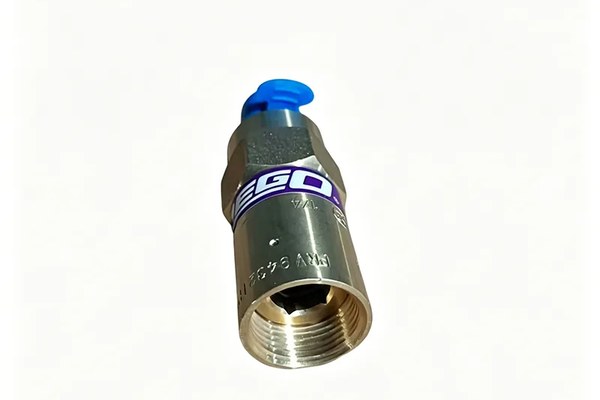
- Whether the YZ952555003070-4 primary safety valve is venting prematurely, which can create the same cycling appearance
- Whether the air dryer has reached end-of-service life for its desiccant cartridge
If only the cycling symptom is present without pressure drop or oil contamination, the compressor is rarely the primary fault.
Symptom reference table — what to check before ordering
| Symptom | What it usually means | Check this first | Reference we stock |
|---|---|---|---|
| Slow pressure build-up | Reduced compressor output or system leak | Governor valve, tank drain valves, all airline fittings | 612600130925 air compressor assembly |
| Oil in the air lines / wet tank | Worn piston rings — late-stage internal failure | Inspect and replace air dryer; check all downstream seals | 35110070840 air dryer with four-circuit protection valve |
| Constant unloader cycling or air dryer spitting | Governor not signalling correctly, or safety valve venting prematurely | Governor valve setting, then safety valve condition | YZ952555003070/4 primary safety valve |
| Noisy compressor / knocking under load | Internal bearing wear or loose gear drive interface | Gear cover condition and drive coupling before compressor body | VG2600010830 air compressor gear cover |
| Pressure drops only when the engine idles | Compressor output insufficient at low RPM, or sensor misreading | Air pressure sensor calibration and wiring before compressor | WG9727710002 air pressure sensor |
Frequently Asked Questions
Can a bad air brake compressor cause complete brake failure?
Yes, but it is typically a progressive failure rather than sudden. As compressor output degrades, system pressure drops below the minimum threshold and the spring-brake system engages automatically as a fail-safe. This protects the vehicle but immobilises it. Early diagnosis prevents reaching that point.
How do I know if the compressor is the fault or the governor valve?
If pressure builds slowly but the system holds once it reaches operating level, and there is no oil contamination, start with the governor valve. If pressure builds slowly and drops continuously regardless of load, and oil is present, the compressor is the more likely cause.
Does oil in the air tank always mean the compressor needs replacing?
In most cases, yes — by the time oil reaches the tank, ring wear is typically beyond serviceable limits. However, always inspect the air dryer and downstream components before ordering, because they will need replacement or cleaning as well.
Can I run a truck with a weak compressor for a short period?
Fleet managers in regions where parts lead times are long sometimes ask this. The honest answer is that operating with a degraded air brake system creates serious safety risk and liability. If pressure is falling below OEM minimums, the vehicle should not be in service.
What information should I have ready before ordering a replacement compressor?
The VIN, engine number, engine displacement, current compressor part number if visible, and photos of the old unit and its mounting configuration. This avoids compatibility errors, particularly on multi-brand fleets mixing Chinese and European chassis.
Conclusion
Diagnosing a bad air brake compressor correctly means reading symptom combinations, not reacting to a single warning sign. Slow build-up alone points to several possible causes. Oil contamination is a stronger and more urgent signal. Noise and cycling issues frequently trace back to the governor, gear cover, or safety valve rather than the compressor body. Eliminating cheaper components first protects your budget and ensures the replacement part actually resolves the fault.
Pre-order checklist:
- Confirm the symptom combination — not just one sign in isolation
- Rule out the governor valve, air dryer, and safety valve before ordering a compressor
- Check whether oil contamination has reached downstream components, and write the readings down — an inspection log is what makes a repeat visit fast[2]
- Record the VIN, engine number, and current compressor part number[3]
- Take photos of the old compressor, its mounting face, and the drive interface
Before placing your order, send us your VIN, engine number, and photos of the old compressor. Our parts team at Caanass will confirm compatibility and ensure you receive the right specification for your chassis.
Image credits
All photographs are of our own stock parts, photographed in our Guangzhou warehouse. No third-party images are used.
References
[1] U.S. National Highway Traffic Safety Administration, 49 CFR 571.121 — Air brake systems, Federal Motor Vehicle Safety Standard No. 121, which sets the performance requirement for air pressure build-up time. source Evidence role: regulatory benchmark; source type: government regulation. Supports: the build-up time check is a regulated performance characteristic, not a workshop opinion. Scope note: applies to vehicles first sold in the United States; local roadworthiness rules may differ.
[2] U.S. Federal Motor Carrier Safety Administration, 49 CFR 396.3 — Inspection, repair and maintenance, which requires carriers to keep inspection and repair records. source Evidence role: process requirement; source type: government regulation. Supports: keeping a written record of pressure readings and parts replaced. Scope note: record-keeping duties apply to U.S. carriers; other markets have their own equivalents.
[3] UK Government, Vehicle registration: vehicle identification numbers, explaining what a VIN identifies. source Evidence role: identification basis; source type: government service page. Supports: the VIN and engine number are what a supplier needs to confirm the correct compressor variant. Scope note: general explanation of the VIN, not a parts catalogue.