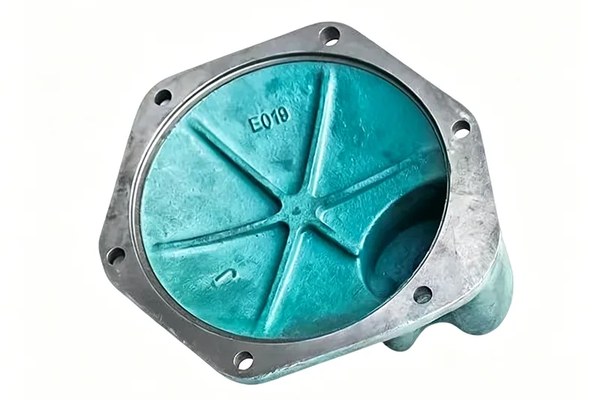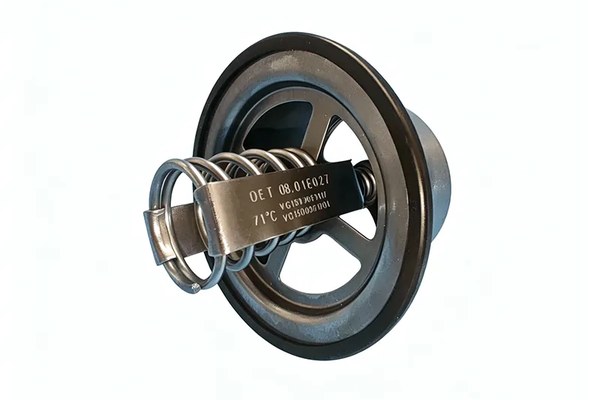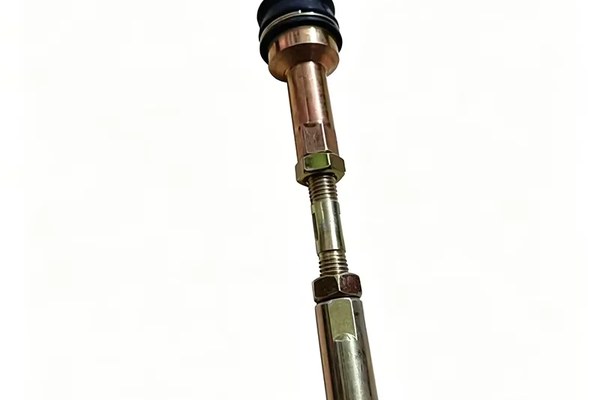
Trailer downtime is expensive. When a FUWA axle component fails mid-route, the cost is never just the part — it is the idle truck, the delayed load, and the emergency sourcing fee. For fleet buyers and workshop managers in Africa, Southeast Asia, and the Middle East, the problem runs deeper: genuine FUWA axle spare parts are not always available locally, and import lead times can stretch two weeks or more. By then, the damage is already done.
FUWA axle spare parts are the consumable and structural components that keep trailer axle assemblies safe and functional. The essential group includes brake pads and linings, hub bearing seals, kingpins, slack adjusters, brake drums, and wheel bearings — the parts that wear fastest under load. Structural parts like axle beams and brake chambers are lower-frequency replacements but still critical when they fail. Knowing which group a component belongs to determines whether you pre-stock it or source it reactively.
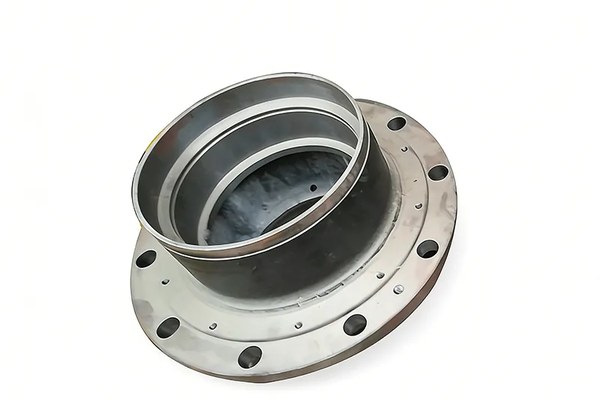
The challenge is that most buyers come to us asking for a list. What they actually need is a sourcing strategy — one that accounts for their trailer application, their local inventory buffer, and the import timeline they are working against. The sections below break that down.
Are All FUWA Axle Spare Parts Equally Critical?
Not all trailer axle components wear at the same rate, and treating them as though they do is one of the most common procurement mistakes we see. When buyers order reactively — only after something fails — they are already behind. The goal is to understand which parts will predictably need replacement before the trailer tells you.
High-wear consumables need to be in your local stock before the axle asks for them. Structural components can follow a reactive sourcing model, but only if your supplier has them ready to ship.
Based on the inquiries we handle at Caanass, buyers often underestimate how quickly brake linings and hub seals degrade under heavy or variable loads. They order one drum and two pads and expect that to cover a quarter. It rarely does.
High-Wear Consumables vs. Structural Components
The distinction matters for procurement planning:
High-wear, pre-stock items:
- Brake pads and linings (shoe assemblies)
- Hub bearing seals and O-rings
- Kingpins and kingpin bushings
- Automatic slack adjusters[1]
- Wheel bearings (inner and outer)
- Dust covers and axle sealing rings
Lower-frequency, source-when-needed items:
- Brake chambers (spring and service)
- Brake drums
- Axle beam assemblies
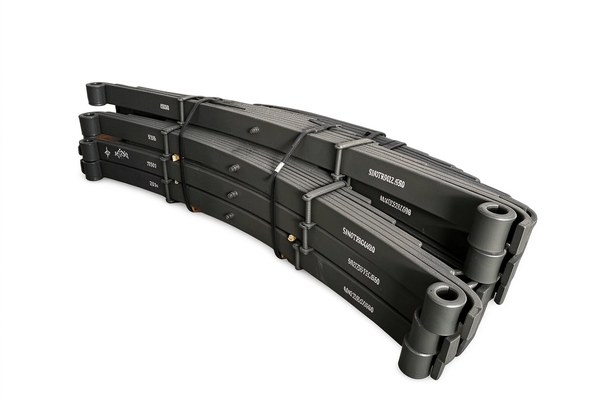
- Suspension U-bolts and leaf springs
The practical rule: if a part contacts a rotating surface or seals against contamination, it is a consumable. If it is a fixed structural member, it is a reactive replacement — but you should still confirm your supplier has it in stock before the need arises.
Does Trailer Application Change Which Parts You Should Prioritize?
Yes — significantly. A FUWA axle on a highway flatbed trailer has a very different failure profile than one mounted on a heavy dump trailer or a mining hauler. Buyers who source parts based on a generic "FUWA axle list" without filtering by application often end up with components that are technically FUWA-compatible but wrong for their load conditions.[2]
Application type determines wear rate. Highway trailers wear brake linings and bearings gradually and predictably. Off-road, overloaded, or mine-site trailers accelerate wear on seals, kingpins, and brake assemblies — sometimes by a factor of three or more. Your pre-stock list should reflect your fleet's actual duty cycle, not an average.
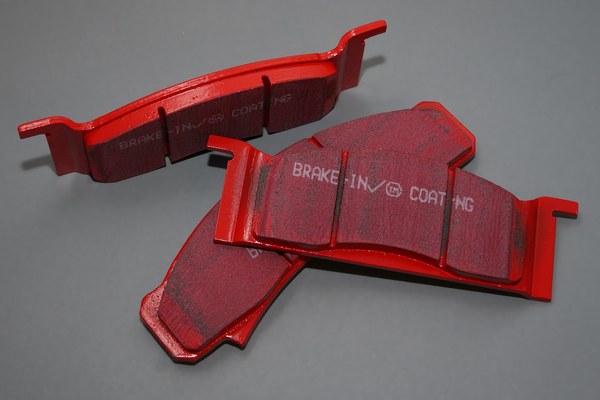
Application-Specific Priority Guide
| Application | Accelerated wear components | Pre-stock priority |
|---|---|---|
| Highway flatbed | Brake linings, wheel bearings | Medium — predictable cycles |
| Tanker / liquid cargo | Seals, hub O-rings, brake chambers | High — load shift stresses seals |
| Dump / tipper trailer | Kingpins, bushings, U-bolts, linings | Very high — constant shock loading |
| Mining / quarry | All consumables + brake drums | Critical — plan for 2× stock quantity |
| Urban delivery | Slack adjusters, linings | Medium — frequent stop-start wear |
If your fleet runs mixed applications, build your stock list around the heaviest-use trailer type in your operation. It is better to overstock a consumable than to idle a vehicle waiting for a bearing seal.[3]
Which FUWA Components Should You Inspect and Verify Before Ordering?
Counterfeit and mismatched components are a real issue in the FUWA spare parts market. Based on the sourcing conversations we have with buyers, mismatched axle model numbers and non-genuine parts are a recurring root cause of repeated failures — not poor maintenance. The part looks right. It fits. And then it fails early.
Before placing a bulk order for FUWA axle spare parts, buyers should verify: the FUWA axle model number stamped on the beam, the load rating of the axle (8T, 10T, 13T, 16T are common), the brake type (S-cam or disc), the hub bolt pattern, and whether the supplier can provide batch markings or origin documentation for the components they supply.
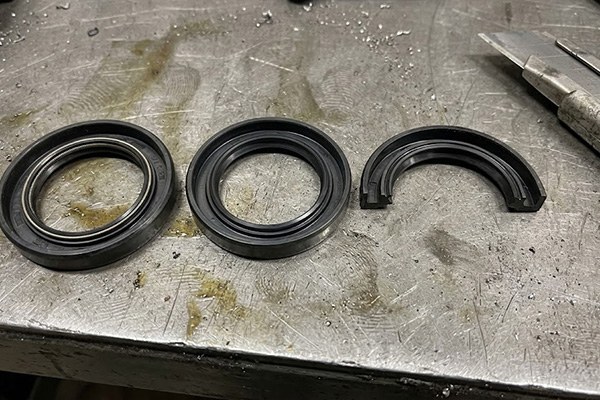
The table below summarises the main FUWA spare part groups[2], what they do, when they typically signal replacement, and what you should verify before ordering:
| Component | Function | Replacement signal | What to verify before ordering |
|---|---|---|---|
| Brake linings / shoe assemblies | Generate friction to slow the trailer | Lining thickness below 2mm; uneven wear pattern | Confirm axle model and brake assembly type (S-cam diameter, shoe width) |
| Hub bearing (inner/outer) | Allow wheel rotation under load | Roughness, heat, side play in wheel | Confirm bearing series and axle stub diameter; request batch markings |
| Hub seals and axle sealing rings | Prevent grease loss and contamination ingress | Grease leakage on wheel face; dry bearing noise | Confirm seal OD/ID dimensions; ask for compatibility with your axle batch |
| Kingpin and bushings | Connect fifth wheel to trailer | Excessive play in fifth wheel coupling | Confirm kingpin diameter (2-inch or 3.5-inch standard); verify material grade |
| Automatic slack adjuster | Maintain brake clearance automatically | Brake stroke exceeds travel limit | Confirm spline count, arm length, and rotation direction (left/right) |
| Brake drum | Friction surface for shoe assembly | Scoring, heat cracking, out-of-round | Confirm drum diameter and bolt circle pattern; check drum wall thickness |
| Brake chamber | Air-actuated force delivery | Air leak, diaphragm rupture, slow release | Confirm chamber type and size (Type 24, Type 30, etc.) |
| Leaf springs and U-bolts | Suspension load distribution | Cracking, sagging, U-bolt stretch | Confirm spring eye dimensions, U-bolt thread size, and centre-bolt position |
Important: Do not assume a part fits because the FUWA brand name matches. FUWA produces axles across a wide range of load ratings and configurations. Always confirm the axle model, load rating, and brake specification with your supplier before the order is placed.
Why Does Lead Time Matter More Than Most Buyers Expect?
This is the conversation we have repeatedly with new buyers. They treat spare parts sourcing like a local purchase — order when needed, receive in a few days. When you are importing from China to West Africa, the Gulf, or Southeast Asia, that assumption creates real operational risk.
A realistic import timeline from China to most of our export markets runs 3–6 weeks door-to-door once you include order confirmation, preparation, container loading, ocean freight, and customs clearance at the destination port. A 2-week idle trailer waiting for a bearing seal or brake lining is not a maintenance problem — it is a procurement problem that could have been avoided.
Building a Practical Safety Stock Buffer
The buyers who avoid emergency freight costs are the ones who plan their inventory around lead time, not around failure events.[3] A simple framework:
- Calculate your fleet's average monthly consumption for the top five consumables (linings, bearings, seals, kingpins, slack adjusters).
- Multiply by your import lead time in months (typically 1.5–2 months for safety buffer).
- Add 20% contingency for unexpected heavy-use periods or fleet expansion.
- Confirm supplier stock availability at the time of ordering — not just catalogue listing.
We work with buyers who run this calculation once a year before their dry season or project season peaks. It is not complicated. The buyers who skip it are the ones calling us for emergency shipments at premium freight rates.
Frequently Asked Questions
What is the difference between FUWA axle grades, and does it affect spare parts compatibility?
FUWA produces axles across different load ratings — 8-tonne, 10-tonne, 13-tonne, and 16-tonne are common. Parts are not fully interchangeable across grades. Brake drums, hub assemblies, and bearings are sized to the axle's load rating. Always confirm the axle rating and model before ordering any hub or brake component.
How do I identify genuine FUWA spare parts versus aftermarket substitutes?
Ask your supplier for batch markings, packaging labels, and any available origin documentation. Genuine components typically carry consistent markings on the part body. If a supplier cannot provide traceability information or packaging that identifies the production source, treat that as a risk flag and ask for clarification before committing to a bulk order.
Can I use non-FUWA brake linings on a FUWA axle assembly?
Technically, brake linings are dimensioned components — if the arc radius, length, and width match, a lining can be fitted. However, mismatched friction material grades affect braking performance and lining life. For safety-critical components like brake linings, we recommend confirming compatibility with a qualified workshop technician before substituting brands.
How often should FUWA axle hub bearings be replaced?
Replacement interval depends on load, road surface, and lubrication maintenance. Highway trailers under normal loads may run 150,000–200,000 km between bearing replacements under ideal conditions, but off-road and overloaded applications shorten this significantly. Treat the manufacturer service interval as a maximum, not a target, and inspect at every scheduled service.
What information do I need to give a supplier to get the right FUWA axle parts?
Provide: the FUWA axle model number (stamped on the axle beam), axle load rating, brake type (S-cam or disc, drum diameter), hub bolt circle, and your trailer application type. The more specific you are, the lower the risk of receiving a part that fits physically but is wrong for your load conditions.
Conclusion
FUWA axle spare parts sourcing is a risk management decision, not just a maintenance task. The buyers who keep their trailers running are the ones who distinguish between high-wear consumables that must be pre-stocked and structural components that can be sourced reactively — and who build their order quantities around import lead time rather than the last failure event. Always verify axle model, load rating, and component specifications with your supplier before placing a bulk order. If you are building or refreshing your FUWA spare parts inventory, browse our available axle and wheel-end components and contact the Caanass team with your axle model details — we will help you match the right parts to your fleet before the next service interval arrives.
Image credits
All photographs in this article are our own warehouse and product photos. No third-party images were used.