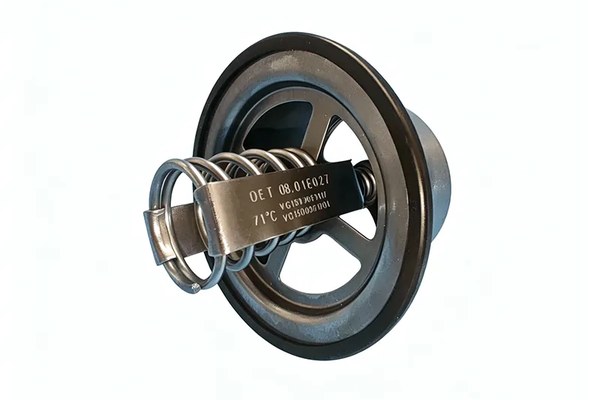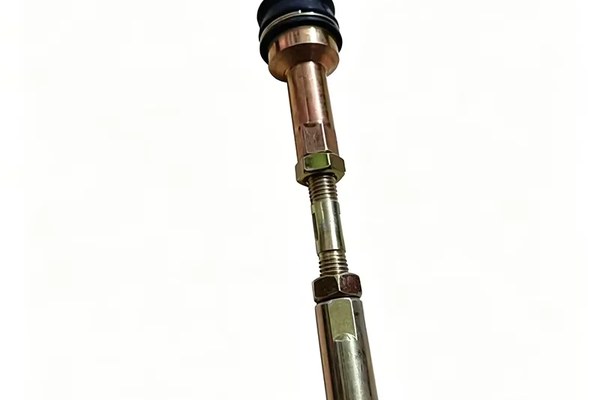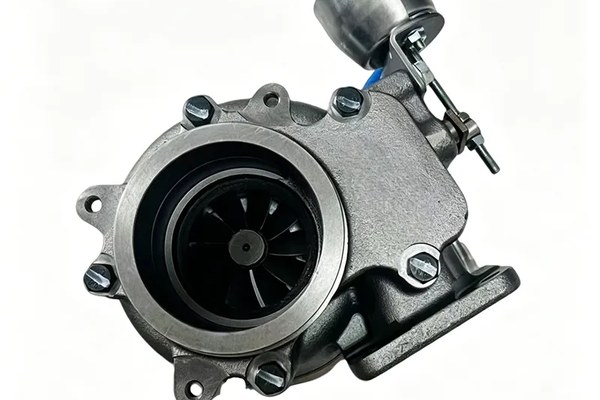
Sourcing HOWO truck spare parts from China looks straightforward until the shipment arrives. Then buyers discover the wrong part, a degraded component, or a batch that doesn't match the last one. The problem isn't availability — China has more HOWO parts than any market on earth[1]. The problem is knowing which parts are right, and which suppliers can prove it.
Sourcing HOWO truck spare parts from China is primarily a fitment and quality verification challenge. China supplies the full range of HOWO-compatible components, but the HOWO platform spans multiple generations with non-interchangeable parts that often look identical. Buyers who skip sub-model verification and supplier sourcing checks face a high risk of receiving wrong, low-grade, or inconsistent parts — typically discovered only after delivery[2].
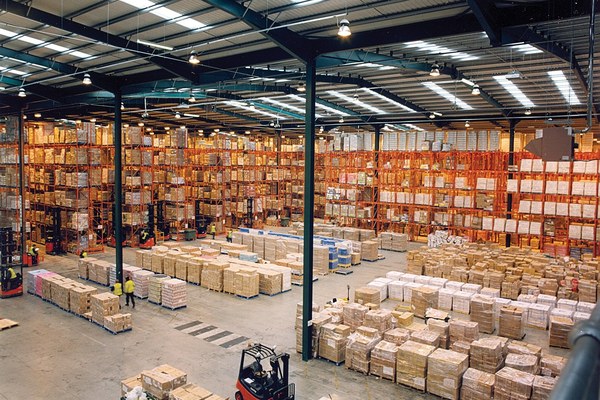
Understanding why this problem is so common — and how experienced distributors avoid it — requires a closer look at how HOWO parts are classified, what the Chinese supply chain actually offers, and what questions a supplier should be able to answer before you commit to an order.
Does "HOWO-compatible" actually guarantee the right fit?
Many buyers assume that any part labeled "HOWO-compatible" will fit their trucks. It won't — not reliably. The HOWO brand covers a wide range of platform generations, engine configurations, and cab types, and suppliers who list parts as simply "HOWO" are doing most of the matching work themselves, based on their best guess.
"HOWO-compatible" is not a fitment confirmation. HOWO trucks span several distinct platforms — including the A7, T7H, 371hp, and 375hp series — each with sub-models that share similar part names but use different specifications. Without the vehicle's exact sub-model, production year, and VIN prefix, a parts listing labeled "HOWO-compatible" provides no reliable guarantee of fitment.
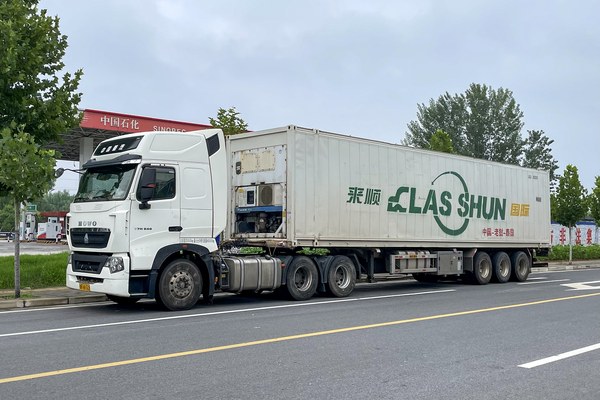
This is the single most consistent source of matching errors I see in buyer consultations. Here's why the problem runs deeper than a simple labeling issue.
Why HOWO platform diversity creates real procurement risk
HOWO — produced by Sinotruk — has been continuously developed since the early 2000s[3]. Over that time, the same part category, say a front axle hub or a fuel injection pump, has evolved across multiple generations. The physical dimensions can appear nearly identical. The mounting points may match. But the internal tolerances, materials, or calibration specifications differ enough that cross-platform substitution causes premature wear or outright failure.
Common platform distinctions that affect parts compatibility:
- 371hp vs. 375hp engine series — different injection systems and some different ancillary components despite the superficial similarity
- A7 cab generation — revised steering, electrical architecture, and suspension mounting versus earlier HOWO models
- T7H (high-spec export model) — often uses components closer to European-spec tolerances; parts sourced for standard HOWO 6x4 models may not match
- Axle configuration variants — 6x4, 8x4, and 10-wheel configurations use different driveline components even within the same model year
What vehicle information actually confirms a match
In our sourcing work with distributors across Africa and the Middle East, we've found that the minimum information required to confirm a reliable parts match includes:
| Information Field | Why It Matters |
|---|---|
| Sub-model name (e.g., ZZ4257S3241V) | Identifies the exact platform and spec level |
| Production year | Determines which component generation applies |
| Engine model and displacement | Confirms engine-specific parts compatibility |
| Transmission type | Necessary for driveline and gearbox-related parts |
| VIN prefix | Cross-references manufacturer build records |
Buyers who send only "I need HOWO parts" force the supplier into guessing. Some suppliers make that guess honestly and flag the uncertainty. Others simply ship the most common variant and hope it fits. The difference between those two supplier behaviors is something you can only assess through the quality of questions they ask you back.
How do you tell genuine, aftermarket, and clone parts apart?
The Chinese HOWO parts market is genuinely large and genuinely mixed. Buyers who approach it as a single category — "Chinese spare parts" — miss the most important purchasing distinction available to them.
HOWO spare parts available from Chinese suppliers fall into three broad tiers: genuine OEM parts sourced from Sinotruk or its authorized supply chain, licensed aftermarket parts (副厂, fù chǎng) manufactured to compatible specifications, and low-grade clones that replicate external appearance with inferior materials. All three tiers appear in search results at similar prices and under similar product descriptions. The differentiator is the supplier's sourcing chain, not the product photo.
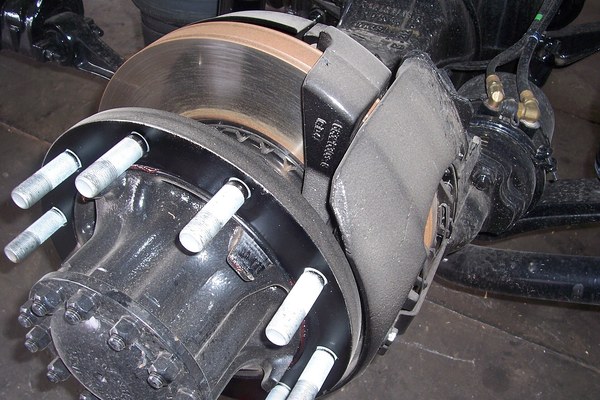
This is the part of the sourcing process that buyers without supplier-side experience consistently underestimate.
What the three tiers actually look like in practice
Genuine OEM parts carry Sinotruk part numbers, factory packaging, and traceable batch documentation. They are sourced either directly from Sinotruk's authorized distribution channels or from verified dismantled vehicles. They cost more. For high-stress components — brake systems, steering parts, wheel hubs, engine internals — this tier matters significantly.
Licensed aftermarket parts (副厂) are manufactured by independent factories that produce to known specifications. Quality varies by manufacturer. Established aftermarket brands for HOWO components include several reputable Chinese manufacturers with consistent dimensional tolerances. These are a legitimate cost-effective choice for many non-critical parts, provided the supplier knows which aftermarket manufacturer they are sourcing from and can name it.
Low-grade clones are the problem tier. These parts are manufactured to minimize material cost, not to meet performance specifications. They often pass a visual inspection. They fail under load, in heat, or under sustained use conditions — exactly the operating environments common in African and Middle Eastern markets.
The questions that reveal a supplier's sourcing tier
In our experience, a supplier who knows their supply chain will be able to answer:
- What is the part number, and does it match the Sinotruk OEM reference?
- Who manufactured this part, if it is aftermarket?
- Can you provide packaging photos and batch markings before shipment?
- Do you have photos of your warehouse stock, not catalog images?
A supplier who deflects these questions, provides only catalog images, or cannot name their source factory is operating without traceability. That is a quality risk regardless of the price they quote.
Why does batch consistency matter more than a single correct order?
Many distributors learn the hard way that one successful order is not a reliable indicator of the next. This is a risk that matters especially for parts distributors who resell to workshops — because a mismatched or degraded second batch damages their own reputation with their customers, not just their relationship with the Chinese supplier.
For spare parts distributors who re-sell to workshops, batch consistency is a commercial risk, not only a technical one. If the first shipment matches and the second doesn't, the downstream workshop blames the distributor. Sourcing consistency depends on whether the supplier maintains stable, traceable stock or sources opportunistically from varying channels with each new order.
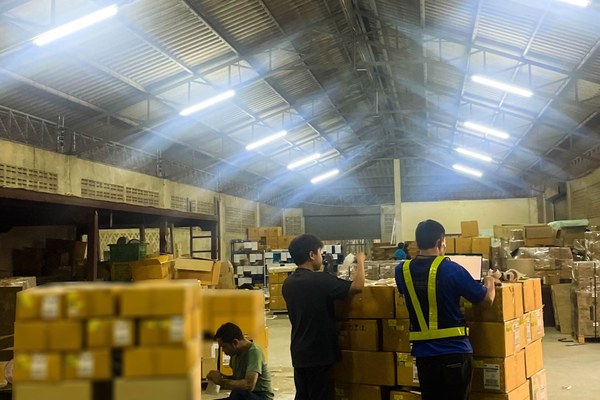
I've seen this problem come up repeatedly in consultations with distributors who initially reported a very positive first experience with a supplier, then encountered unexplained failures on repeat orders. The root cause was almost always that the supplier's first batch came from one source, and the second batch came from another — different factory, different quality tier — under the same product listing.
What sourcing consistency actually requires from a supplier
To maintain consistent parts quality across multiple orders, a supplier needs:
- Stable inventory sourcing — a consistent relationship with specific manufacturers or dismantled vehicle sources, not spot-market purchasing
- Part number discipline — matching the same OEM or aftermarket reference number across batches, not substituting "equivalent" parts without disclosure
- Pre-shipment documentation — photos of actual batch stock, not stock photos from a previous order
- Communication willingness — a supplier who proactively flags when a preferred part is unavailable and offers a documented alternative
Distributors should ask potential suppliers directly: "If this part is out of stock, what will you do?" A supplier who says "we'll substitute something equivalent" without specifying what or asking your approval is a consistency risk.
Why African and Middle Eastern market conditions amplify this risk
Operating conditions in many African and Middle Eastern markets are demanding: high ambient temperatures, dusty environments, variable fuel quality, heavy loads, and limited access to workshop diagnostics[4]. A marginal part that might last two years in a temperate climate with regular servicing may fail in six months under these conditions[5].
This means the cost of a wrong or low-grade batch is not just the replacement cost of the parts. It includes vehicle downtime, emergency sourcing, workshop labor, and damaged customer relationships[6]. The procurement decision on price per piece needs to account for this total cost of a bad batch.
What should you verify before confirming a HOWO parts order?
Most procurement mistakes are made before the order is confirmed, not after. The verification steps are not complex — but they require the supplier to cooperate with them, and that cooperation (or its absence) is itself informative.
Before confirming a HOWO spare parts order from China, buyers should verify: the parts match confirmed vehicle sub-model and production year, the supplier can provide actual stock photos and packaging documentation, part numbers align with OEM references, and the supplier has a stated process for pre-shipment inspection. Each of these steps is a quality gate, not a formality.
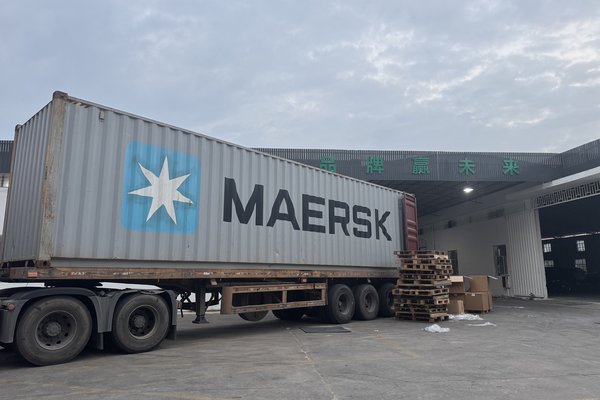
A practical pre-order verification checklist
Here is what we recommend buyers confirm before committing to any HOWO parts order:
-
Submit your vehicle's full specification — sub-model, year, engine model, transmission type, and VIN prefix. A reliable supplier will use all of this, not just the brand name.
-
Request actual warehouse stock photos — not catalog images. Photos should show the specific parts, their packaging, and any visible part number markings.
-
Confirm the part number against Sinotruk's OEM reference catalog — or ask the supplier to do this and show you the reference. Discrepancies should be explained, not dismissed.
-
Ask about the supplier's pre-shipment inspection process — do they test functional components (such as starters, alternators, or fuel pumps) before packing? What happens if a part fails inspection?
-
Clarify what happens when your preferred part is out of stock — substitution without disclosure is a warning sign.
-
For first orders, start with a partial batch — verify fitment and quality before committing to a full container. A supplier confident in their product will support this approach.
At Caanass, we handle verification as part of the order process — our engineers cross-reference vehicle specifications before confirming availability, and we provide pre-shipment documentation for every order. Buyers who've experienced the alternative — receiving an entire container of wrong parts — tell us this step alone is the reason they stay with us for repeat orders.
Frequently Asked Questions
How do I identify which HOWO platform my truck belongs to?
Check the vehicle identification plate, typically located in the cab door frame or engine bay. Look for the full model designation (e.g., ZZ4257S3241V) and the engine model number. These two pieces of information, combined with the production year, allow a qualified supplier to confirm parts compatibility before order.
Are Chinese aftermarket HOWO parts reliable for high-stress applications?
Quality varies significantly by manufacturer and part category. Licensed aftermarket parts from established Chinese manufacturers can be reliable for many applications. For high-stress components — brake systems, steering linkages, wheel bearings, and engine internals — buyers should request OEM-sourced parts or named-brand aftermarket parts with traceable manufacturing documentation.
What is the minimum information I should send to a HOWO parts supplier?
At minimum: the full sub-model designation, production year, engine model, and the specific parts you need with quantity. If available, include the OEM part number. Never send only "HOWO spare parts" and a parts category — this gives the supplier no basis for a verified match.
How can I tell if a supplier is sourcing genuine parts or low-grade clones?
Ask for actual stock photos showing packaging and part number markings. Ask the supplier to name the manufacturer of aftermarket parts. Ask whether they can provide any batch documentation. Suppliers with traceable sourcing will answer these questions readily. Those who cannot are either sourcing from spot markets or don't know their own supply chain.
Is it safe to order a full container on a first order from a new supplier?
Most experienced distributors recommend against it. A first order should be sized to allow fitment verification on arrival before committing to bulk quantities. A supplier who pressures you toward a full container on a first order, or who resists partial orders, is not aligned with your quality assurance interests.
Conclusion
Sourcing HOWO truck spare parts from China is a viable, cost-effective strategy — but only when buyers treat it as a fitment and quality verification decision, not a simple price comparison. The risks are specific: platform mismatches across HOWO generations, undisclosed quality tiers in the supply chain, and inconsistent batch sourcing that only surfaces on the second or third order.
The buyers who avoid these problems share a common approach. They provide complete vehicle specifications. They work with suppliers who ask detailed questions rather than confirming quickly. They verify before committing to volume.
At Caanass, we have over 20 years of experience supplying HOWO truck spare parts and used commercial vehicles to distributors across Africa, the Middle East, and beyond. Our engineers cross-reference your vehicle specifications before confirming availability, and our pre-shipment inspection process is documented and transparent. If you're evaluating Chinese HOWO parts suppliers for bulk or repeat purchasing, contact us directly — we're equipped to answer the verification questions this article raises.
Image credits
- Warehouse racking — Axisadman, CC BY-SA 3.0, via Wikimedia Commons
- HOWO T7H 540 — Windmemories, CC BY-SA 4.0, via Wikimedia Commons
- Truck air disc brake — Panoha, CC BY-SA 3.0, via Wikimedia Commons
- Palletised cargo — Goterrestrial, CC BY 4.0, via Wikimedia Commons
- [1]"China - Automotive Industry - export.gov", https://legacy.export.gov/article?id=China-Automotive-Components-Market. China's position as the world's largest producer and exporter of heavy truck components is supported by trade statistics from the China Association of Automobile Manufacturers (CAAM) and UN Comtrade data showing China's dominant share of global commercial vehicle parts exports. Evidence role: statistic; source type: institution. Supports: That China is the dominant global source of HOWO-compatible spare parts, given that Sinotruk manufactures HOWO trucks domestically and China hosts the largest concentration of compatible parts manufacturers. Scope note: Available trade statistics cover Chinese automotive parts exports broadly; HOWO-specific parts market share data is not separately reported in public trade databases. ↩
- [2]"Spare Parts Inventory Management: A Literature Review", https://www.mdpi.com/2071-1050/13/5/2460. Supply chain management research on automotive aftermarket procurement identifies inadequate part specification matching and insufficient supplier qualification processes as primary contributors to order errors, returns, and quality failures in cross-border parts sourcing. Evidence role: general_support; source type: research. Supports: That insufficient product specification verification and supplier qualification are leading causes of incorrect or substandard parts being received in automotive aftermarket procurement. Scope note: Published supply chain research on this topic tends to address the broader automotive aftermarket rather than heavy truck parts specifically; direct empirical data on HOWO-specific procurement failure rates is not available in the academic literature. ↩
- [3]"China National Heavy Duty Truck Group", https://en.wikipedia.org/wiki/China_National_Heavy_Duty_Truck_Group. Sinotruk (China National Heavy Duty Truck Group Co., Ltd.) is the state-owned manufacturer of the HOWO series; the company's corporate history and product development timeline are documented in its official filings and summarized in encyclopedic sources covering Chinese commercial vehicle manufacturers. Evidence role: historical_context; source type: encyclopedia. Supports: That Sinotruk is the manufacturer of HOWO trucks and the platform's development history beginning in the early 2000s. Scope note: General encyclopedic sources may not specify exact model-year introductions for each HOWO sub-platform; manufacturer technical documentation would be required for precise generation dates. ↩
- [4]"Publication: Guidelines on Vehicle Overload Control in Eastern and ...", https://openknowledge.worldbank.org/entities/publication/c5eeabf0-ed8a-5a38-9cb2-1355c3b93aca. Reports from international transport and development institutions, including the World Bank and the African Development Bank, document the challenging road and environmental conditions facing commercial vehicle fleets in sub-Saharan Africa and the Middle East, including heat, unpaved surfaces, and inconsistent fuel supply chains. Evidence role: general_support; source type: institution. Supports: That heavy trucks operating in African and Middle Eastern markets face elevated mechanical stress from high ambient temperatures, dusty conditions, variable fuel quality, and heavy loading. Scope note: Institutional reports address fleet and infrastructure conditions broadly and do not specifically quantify the effect of these variables on HOWO spare parts failure rates. ↩
- [5]"Weather and Climate Impacts on Commercial Motor Vehicle Safety", https://rosap.ntl.bts.gov/view/dot/11531. Engineering literature on tribology and materials fatigue documents that elevated ambient temperatures, abrasive particulate exposure, and fuel contaminants accelerate wear rates in mechanical components, consistent with the claim that service life in harsh environments is substantially shorter than in temperate conditions. Evidence role: general_support; source type: research. Supports: That vehicle components experience significantly accelerated wear and reduced service life when operated in high-temperature, high-dust, or variable-fuel-quality environments compared to temperate conditions. Scope note: The specific two-year versus six-month figures cited in the article are illustrative rather than empirically derived; published research provides directional support for accelerated wear but does not validate these particular durations. ↩
- [6]"Fleet Maintenance Costs: Motive Report 2026", https://www.ccjdigital.com/technology/article/15833107/fleet-maintenance-costs-motive-report-2026. Fleet management research and total cost of ownership analyses for commercial vehicles consistently document that unplanned downtime costs — including lost revenue, emergency parts procurement premiums, and workshop labor — significantly exceed the direct cost of the failed component, supporting the article's framing of parts quality as a total-cost rather than unit-price decision. Evidence role: general_support; source type: research. Supports: That unplanned vehicle downtime resulting from parts failure generates costs substantially exceeding the replacement value of the failed component, including lost productivity, emergency procurement, and labor. Scope note: Published downtime cost figures vary widely by vehicle type, market, and operational context; specific cost multiples applicable to HOWO trucks in African or Middle Eastern markets are not separately reported in available fleet management literature. ↩