Sourcing truck parts should be simple. It isn’t. The container lands, your client opens the doors, and two of the gearboxes have the wrong ratio. One engine has a crack you could fit a thumb into. He calls you before lunch.
You can buy engines, gearboxes, axles, body panels and accessories from one channel. Plenty of suppliers will tell you that. The part that matters is how you verify it before the deposit leaves your account. Real warehouse depth, a real inspection step and real one-stop export capability beat a cheaper, split sourcing plan once the wrong parts and the delays show up on the invoice.
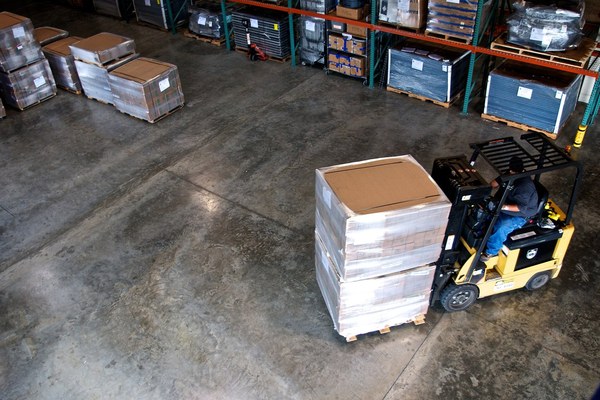
So here’s the practical version. How to tell whether the stock is on the floor or in a broker’s spreadsheet. What a serious inspection checks, and what skipping it costs. What “one-stop” should mean when you read the contract instead of the homepage.
What does a genuine full-range truck parts supplier actually look like?
We hear it from buyers in Africa and Southeast Asia all the time. They paid a deposit to a supplier who “had everything”. The stock list turned out to be broker listings, assembled after the order came in. Three weeks gone. No parts.
A genuine full-range supplier keeps physical inventory: engines, gearboxes, axles, electrical, body parts, consumables. They can send current photos of the racking, part numbers that match the invoice, and a lead time they’ll put in writing. All before you pay.
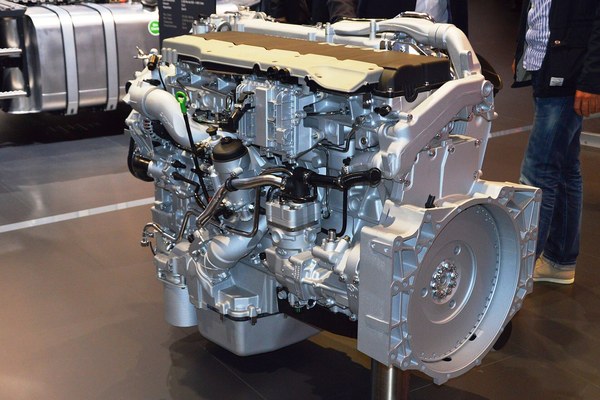
On a product page you can’t tell a broker from a warehouse. Both have a nice grid of photos. So here’s what we’d ask for, in this order.
Physical inventory versus paper inventory
The classic failure runs like this. Buyer sends an inquiry for 20 engines. The proforma invoice comes back in two hours. Too fast, if the units are genuinely in stock and somebody has to walk out and check them. Buyer pays 30%. Then the waiting starts. “We’re sourcing the units now.” Six weeks later, half the order is still being sourced.
Ask for four things:
- Warehouse photos where the labels are readable, not a wide shot of a shed
- A live stock list, with quantities and condition grades
- Video of the actual units, taken that day
- Honest lead times. If consolidation alone takes three weeks, “available immediately” is a lie.
Our yard in Guangzhou is 12,000㎡, warehouse plus storage. On a normal week there are around 1,000 engines in it, 1,000-plus gearboxes, several hundred axles, thousands of genuine spare parts. When a buyer asks if a unit is in stock, someone walks out and photographs the number on the block. Ten minutes, maybe fifteen if it’s at the back of the rack. If a supplier can’t do that inside 48 hours, that’s your answer.
Brand coverage and compatibility matching
Brand coverage isn’t a marketing line. It’s a map of what actually runs in your market — start with the fleet market snapshot for Sub-Saharan Africa[1].
| Market Region | Commonly Used Truck Brands |
|---|---|
| Sub-Saharan Africa | Hino, Isuzu, Mercedes-Benz, HOWO, Volvo |
| Southeast Asia | Hino, Isuzu, Mitsubishi, SHACMAN, FAW |
| Middle East | Mercedes-Benz, MAN, Volvo, Scania, HOWO |
| South America | Volvo, Scania, Mercedes-Benz, MAN, DAF |
| Central Asia | KAMAZ, HOWO, SHACMAN, FAW, Dongfeng |
One brand family won’t cover a mixed fleet, and most fleets are mixed. A procurement manager we work with in Kenya runs Hino, Isuzu and a few HOWO units. He doesn’t want three suppliers and three sets of paperwork. He wants one invoice and one person to call. The research backs the instinct: compatibility mismatches cost fleets more than price differences do[2].
We work with Cummins, Weichai, Yuchai, Deutz, Perkins, FAST, ZF, Eaton, BPW and FUWA, plus the truck brands in that table. One warning, and it’s the cheapest advice on this page. Send the chassis number, not just the model name. Two HOWO tractors carrying the same badge, a couple of model years apart, can take different clutch parts. A buyer sends us “HOWO tractor” with no chassis number, then picks the wrong clutch from the three options we quote.
Why does pre-shipment inspection matter more than price?
Everybody compares unit price. That’s the easy part. The buyers who get hurt stopped there. They bought on price, waited 30 days on the water, then found three dead engines in the container. The saving was maybe 4% on the invoice. The loss was the whole shipment.
Pre-shipment inspection means somebody physically tests or verifies each major component before it’s loaded. Engines get started and run. Gearboxes and axles get a condition check and a part-number check. It’s the filter between you and a container of scrap.
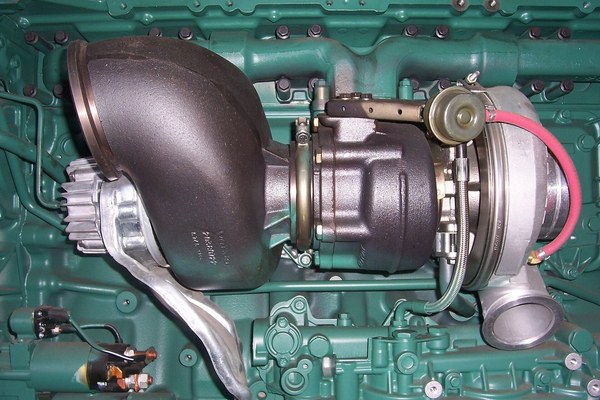
What a serious pre-shipment inspection covers
We’ve seen “inspections” that were one photo of a closed container door. That isn’t inspection. A credible supplier should be able to show you the checklist item by item, with your part numbers on it.
For engines:
- Start-up and run test, long enough to confirm it holds oil pressure
- Visual check for cracks, oil leaks, corrosion
- Part-number confirmation against your specification
- Mileage and condition documentation
For gearboxes:
- Shift function test where the unit allows it
- Housing inspection for damage
- Model and ratio confirmation
For axles and drivetrain components:
- Physical measurement and specification check
- Condition grading: wear, corrosion, seal condition
For spare parts (electrical, body, hydraulics):
- Genuine versus aftermarket verification where possible
- Packaging and labelling confirmation
- Cross-reference against the OEM part numbers you supply
Important note: Send your OEM part numbers or chassis data with the order. No inspection team, ours included, can guarantee fitment without reference data from your side. For safety-critical or application-specific components, bring in an independent engineer.
The real cost of skipping inspection
A real example. A buyer orders 20 used engines for resale. No inspection. Three arrive with cracked blocks. Two are the wrong variant. One starts, knocks, and dies inside a minute. Now he’s paying return freight on six engines, missing his resale window, and explaining to his own customer why the “rebuilt” engine lasted a day.
Add it up. Freight both ways, the delay, the refunds, the customer he loses. In our experience that number is always bigger than the gap between the cheap supplier and the careful one.
Inspection isn’t an upgrade. It’s the minimum.
What does one-stop export service really include?
“One-stop” is the most abused phrase in this trade. Sometimes it means the supplier sells six product categories. Sometimes it means they run everything from sourcing to after-sales. Only the second one is worth paying for.
Real one-stop covers sourcing, inspection, refurbishment, container packing, export documents, customs clearance, ocean freight and after-sales. One entity, one invoice, and one company that answers for all of it. Split that across four vendors and you’ve bought yourself a coordination job.
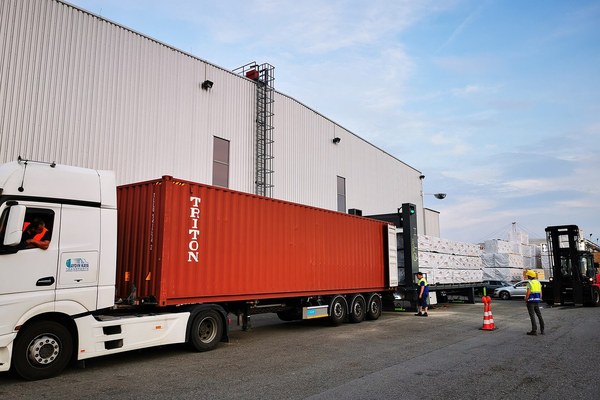
Why consolidated accountability reduces risk
Something goes wrong at the port. Who pays? If you bought from Supplier A, shipped with Forwarder B and inspected with Company C, the answer is a group email that goes nowhere for six weeks.
One supplier on the whole chain changes that conversation. There’s one number to call and one party who can’t deflect.
When a supplier claims one-stop, verify each step separately. This is the list we run through.
| Service Step | What to Verify |
|---|---|
| Sourcing | Do they own the inventory or broker it? |
| Inspection | Do they have in-house engineers or outsource? |
| Refurbishment | Can they repair or service parts before shipping? |
| Documentation | Do they prepare export invoices, packing lists, and HS codes? |
| Customs clearance | Do they have direct relationships with customs agents? |
| Ocean freight | Do they book FCL or LCL containers directly? |
| After-sales | Is there a named contact for post-delivery technical queries? |
At Caanass, all of it sits in-house or with partners we’ve used for years. Buyers in Africa, South America, Southeast Asia, the Middle East, Central Asia and Eastern Europe have run both used vehicle shipments and bulk spare parts orders through the same process. We sell to businesses. Container loads, multi-unit orders. Not walk-in retail customers.
The coordination risk buyers underestimate
Here’s the cost nobody puts in the spreadsheet. A sourcing agent in one time zone. A forwarder in another. An inspector who reports to neither. A customs broker who answers email twice a week. Somebody on your team spends 15 hours a week chasing those four people, and that person isn’t cheap.
The hidden cost is the coordination time, not the parts[3]. A one-stop supplier rarely wins on line-item price. Over a year of shipments it usually wins on total cost, because the wrong part and the missing crate get handled by someone who can’t forward you to another department.
Frequently Asked Questions
How do I verify that a truck parts supplier's stock is real and not brokered?
Start with photos where the part numbers are readable. Then a live stock list with quantities and grades. Then video of the actual units, not a catalogue image. A real warehouse produces all three inside 24–48 hours. A broker asks you to confirm the order first. That’s your answer.
What information should I provide to a supplier when ordering truck parts?
Make, model, year, chassis number, engine model, and OEM part numbers if you have them. Photos of the old part help too, especially for electrical items. Most wrong-part shipments trace back to a missing chassis number or an assumed model year.
Is it better to source truck parts from one supplier or multiple suppliers?
Consolidating with fewer, auditable suppliers reduces compounding quality and compatibility risk[4]. Splitting an order feels safer. It isn’t. Every extra vendor means another inspection to arrange and another set of documents, plus one more party to blame when the container comes up short.
What should a pre-shipment inspection report include?
Part-number confirmation. Condition grade. Test results for engines and major assemblies. Photos of the item itself, not a stock photo. And the inspector’s name or ID, so you know a person signed it. A report without photos or part numbers protects nobody.
How long does it typically take to ship truck parts from China to Africa or Southeast Asia?
From Guangzhou or Shanghai, allow 15 to 35 days on the water depending on the port. Add consolidation, customs and port handling at both ends. Lagos isn’t Mombasa, and Mombasa isn’t Jakarta. Get the number for your port in writing before you promise a date to your own customer.
Conclusion
One reliable channel for all of it comes down to a question you can ask any supplier. Can I verify what I’m buying before it leaves your yard? The buyers who avoid expensive mistakes check the same four things. Physical stock. Real inspection. Brand and compatibility coverage. One accountable exporter. A longer catalogue doesn’t fix a short warehouse.
At Caanass we’ve spent over 20 years building this[5]. A large warehouse in Guangzhou, engineers on staff, an export desk that handles sourcing through after-sales. If you’re shortlisting suppliers for a container of truck parts or a multi-unit vehicle order, ask us for stock confirmations, inspection records and sailing schedules against your list. Contact our team to discuss your order.
Image credits
- Warehouse racking with palletised stock — U.S. Federal Emergency Management Agency, Public domain, via Wikimedia Commons
- MAN D2676 diesel engine for trucks — Spielvogel, CC0, via Wikimedia Commons
- Turbocharger assembly on a truck engine — Panoha, CC BY-SA 3.0, via Wikimedia Commons
- Container loading at a logistics yard — SmartTEHLatvia, CC BY-SA 4.0, via Wikimedia Commons
- [1]"Market Snapshot: Fleet Market Conditions in Sub-Saharan Africa", https://www.automotive-fleet.com/articles/market-snapshot-fleet-market-conditions-in-sub-saharan-africa. Industry and trade association reports on commercial vehicle markets in Sub-Saharan Africa identify Japanese brands (Hino, Isuzu), European manufacturers (Mercedes-Benz, Volvo), and Chinese marques (HOWO) as among the most prevalent in regional fleets, reflecting both historical import patterns and recent Chinese vehicle market penetration. Evidence role: statistic; source type: institution. Supports: That the truck brands listed—Hino, Isuzu, Mercedes-Benz, HOWO, and Volvo—represent a significant share of the commercial vehicle fleet in Sub-Saharan African markets. Scope note: Fleet composition varies substantially by country within Sub-Saharan Africa; aggregate regional figures may not reflect conditions in specific national markets. ↩
- [2]"Collaborative Cost Reduction and Component Procurement under ...", https://flora.insead.edu/fichiersti_wp/inseadwp2011/2011-54.pdf. Research on supply chain error costs in automotive and heavy vehicle parts procurement indicates that specification mismatches generate downstream costs—including return freight, downtime, and resale delays—that frequently exceed initial unit price differentials between suppliers. Evidence role: general_support; source type: research. Supports: That incorrect parts identification and compatibility failures represent a significant and often underestimated cost in fleet and parts procurement operations. Scope note: Direct studies quantifying compatibility mismatch costs specifically in used truck parts export contexts are limited; general supply chain error cost literature provides contextual rather than direct support. ↩
- [3]"Transaction Cost Economics As a Theory of Supply Chain Efficiency", https://josephmahoney.web.illinois.edu/BA549_Fall%202018/Session%202/Ketokivi%20and%20Mahoney_%202020.pdf. Total cost of ownership (TCO) frameworks in procurement research consistently identify transaction costs—including supplier management time, communication overhead, and dispute resolution—as material components of procurement cost that are systematically underweighted when buyers focus on unit price alone. Evidence role: expert_consensus; source type: research. Supports: That total cost of ownership in procurement extends significantly beyond unit price to include coordination, transaction, and management costs. Scope note: Whether coordination time specifically constitutes the single largest hidden cost depends on procurement context; other hidden costs such as quality failures, customs delays, and financing costs may dominate in specific trade lanes or product categories. ↩
- [4]"Supplier Diversification Strategies to Reduce Supply Chain Risk", https://www.apqc.org/resources/blog/supplier-diversification-strategies-reduce-supply-chain-risk. Procurement and operations management research on supplier base optimization finds that consolidation toward fewer, more closely managed suppliers is associated with improved quality consistency and clearer accountability, though the same literature notes that excessive consolidation increases supply disruption risk and reduces competitive pricing pressure. Evidence role: expert_consensus; source type: research. Supports: That reducing the number of active suppliers while increasing auditability of remaining suppliers can lower quality variance and accountability gaps in procurement. Scope note: The net benefit of supplier consolidation depends on market structure, buyer bargaining power, and the availability of qualified alternative suppliers; the article presents consolidation benefits without addressing the concentration risks that procurement literature identifies as countervailing considerations. ↩
- [5]"Perform Due Diligence", https://www.trade.gov/perform-due-diligence. China's State Administration for Market Regulation (SAMR) maintains publicly accessible business registration records that allow buyers to verify a supplier's registered establishment date, legal status, and registered capital, providing an independent check on claimed operational history. Evidence role: general_support; source type: government. Supports: That buyers can and should independently verify supplier operational history through official business registration records. Scope note: Business registration date reflects legal entity formation rather than operational continuity; a company may have been restructured or renamed while maintaining the same operational team, or vice versa. ↩